Covid-19 and the response and mitigation efforts taken to contain the virus have triggered a global crisis impacting on all aspects of life. The impact of the Covid-19 pandemic for forcibly displaced persons (refugees, internally displaced persons and asylum seekers) extends beyond its health impacts and includes serious socioeconomic and protection impacts. This rapid review focuses on the available evidence of the socioeconomic impacts of the crisis on forcibly displaced persons, with a focus where possible and relevant on examples from countries of interest to the Covid Collective programme: Afghanistan, Bangladesh, Ghana, Iraq, Kenya, Malawi, Pakistan, Rwanda, South Sudan, Syria, Uganda, Yemen, Zambia and Zimbabwe.
Learning
Helpdesk report
The Socioeconomic Impacts of the Covid-19 Pandemic on Forcibly Displaced Persons
Related Content
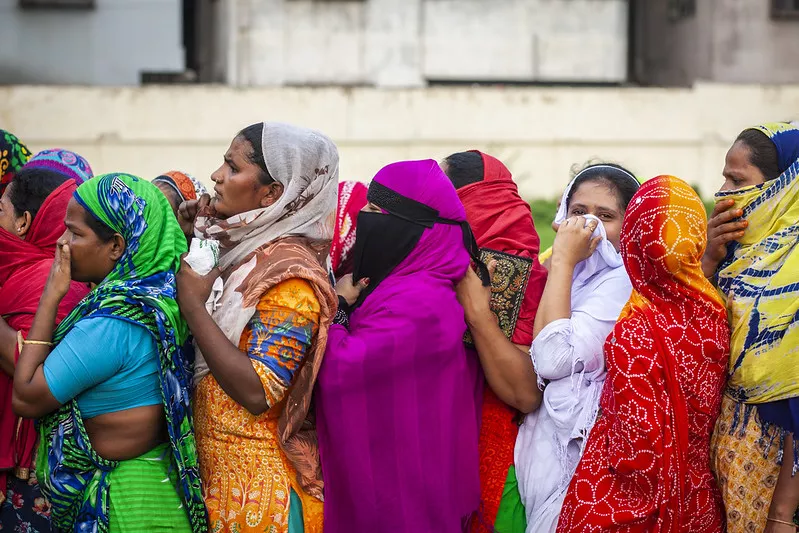
CLEAR Synthesis: How Covid changed state-citizen relations in Bangladesh
Bangladesh witnessed significant changes in citizen-state relations during the COVID-19 pandemic. These changes were triggered by several factors including the government’s push for digitalisation of citizen engagement at the local […]
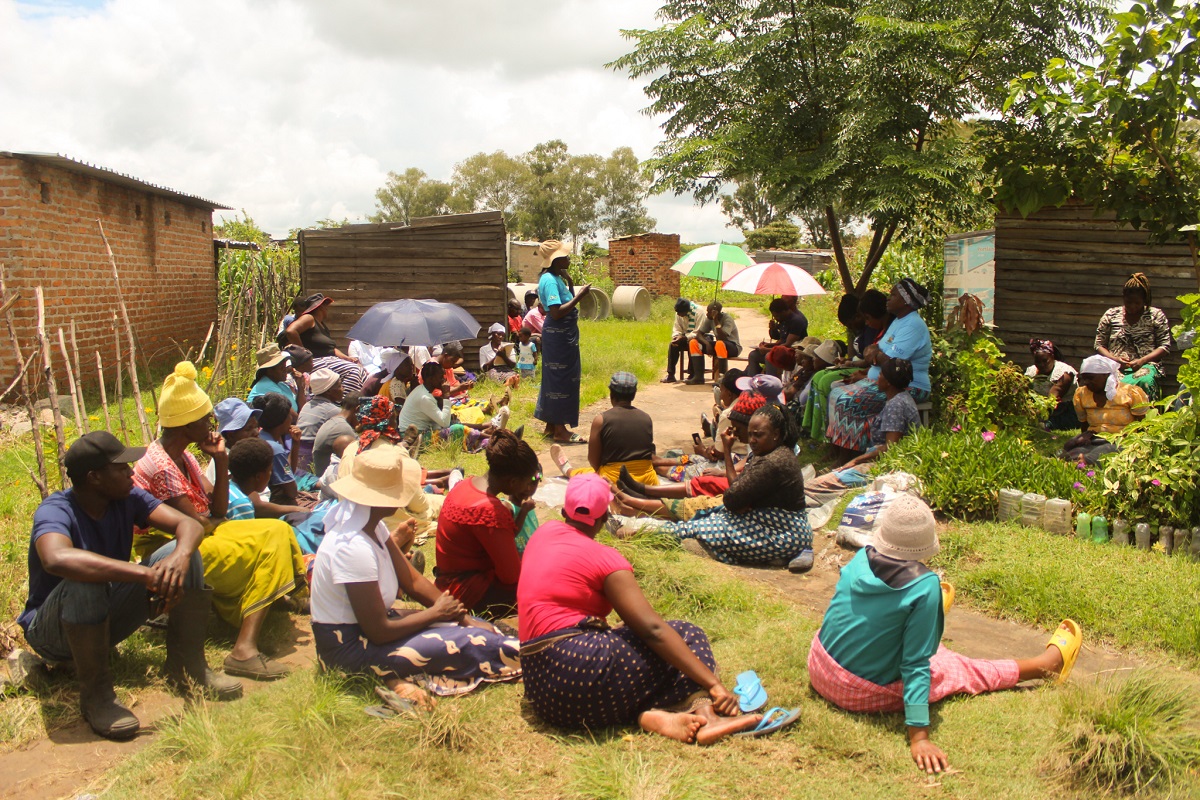
Collaborating to build resilient communities: Lessons from the Covid-19 pandemic in Harare
The Covid-19 pandemic has highlighted and exacerbated inequalities in cities, with lasting impacts over time. Although governments, NGOs and the private sector delivered some relief, many low-income residents of informal […]